
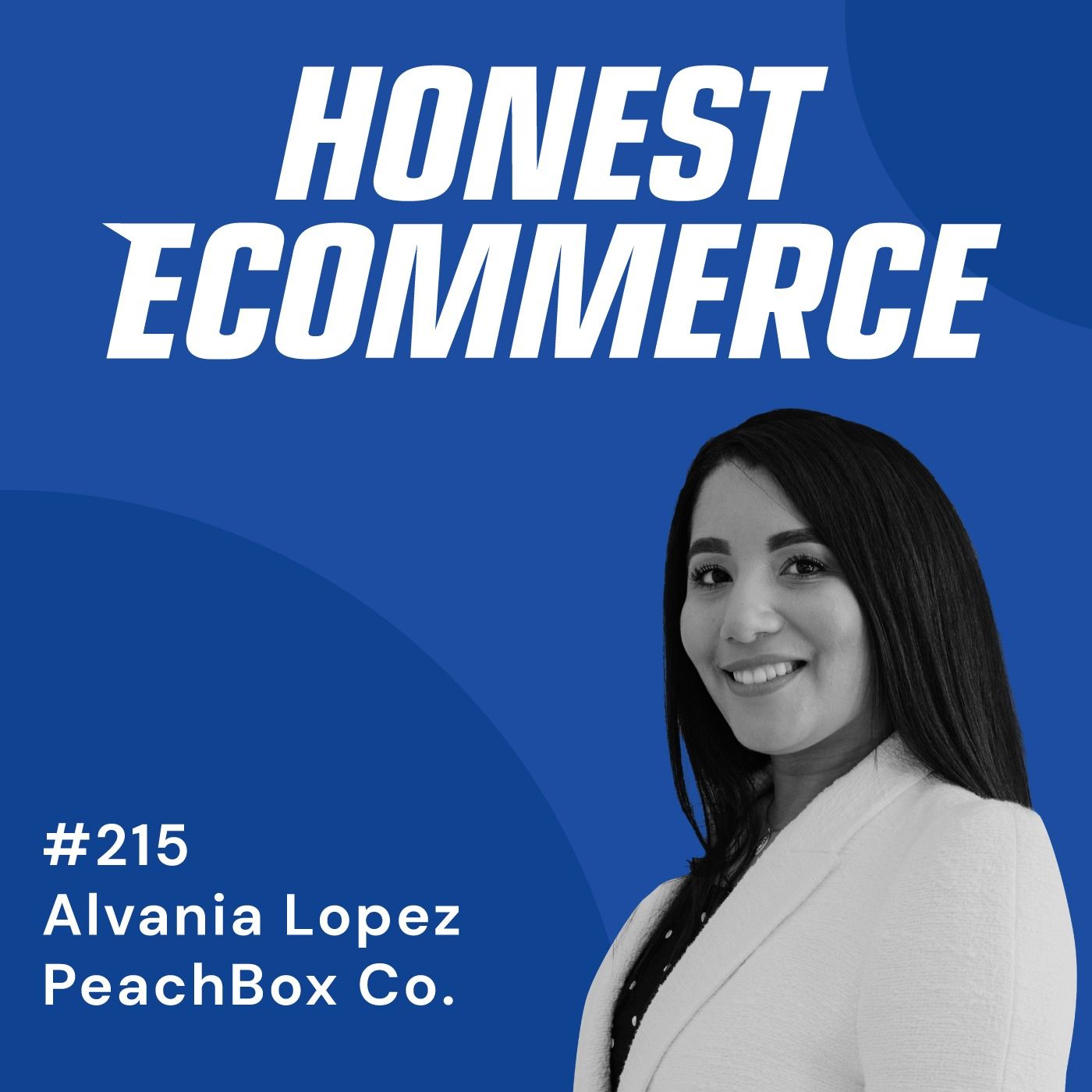
Corporate Gifting Strategy and Human Connection: Peachbox Co
Six people packed into a backyard shed in Boston, fulfilling corporate gift orders through a New England winter. That is where Peachbox Co started, and that origin story carries a direct message for founders who are waiting for the right conditions before they begin.
How a Real Estate Problem Became a Gifting Business
Alvania Lopez spent years in corporate roles where she felt disconnected from the work. At the same time, her partner was struggling to find meaningful gifts for real estate clients at closing. She started building gift packages as a side project, not a business. The client response changed that. Repeated business came back to her partner specifically because of the gifts, and Lopez recognized that the problem she was solving was not unique to real estate. Any company trying to stay connected with employees, clients, or prospects had the same pain point.
She kept her corporate job through the early validation phase, which is worth noting. She did not bet on the idea until the market gave her a reason to. That reason arrived during COVID. When in-person events and gatherings stopped entirely, the demand for thoughtful, shippable gifts accelerated. Lopez left her corporate job in summer 2020 and went full time into Peachbox Co.
Why COVID Accelerated the Corporate Gifting Category
The timing was not luck so much as fit. Companies could not hold events. Families could not gather. Brands had no physical touchpoints with their audiences. A gifting company that handled sourcing, packaging, personalization, and logistics for bulk shipments solved a real and immediate problem. Lopez used that period not just to sell but to listen. Social media was the primary channel, and she treated it as a research tool as much as a marketing one. The customer feedback from that period shaped the product direction and the brand positioning around human connection.
The Case for Focusing on Corporate Over Consumer
Peachbox Co initially opened its catalog to consumer gifting as well, covering birthdays, graduations, and everyday occasions. Over time, the business has moved back toward corporate as its core focus. The reasoning is straightforward: buying a gift for one person is easy. Buying for 300 or 1,000 employees for a holiday campaign, a company milestone, or a summer event involves sourcing, kitting, personalization at scale, logistics coordination, and inclusive product selection that works across diverse employee populations. That complexity is where Peachbox Co adds the most value and commands higher average order values.
What Lopez noticed is that the B2B and B2C buyer are often the same person. Someone who discovers the brand through a personal gift may also be the head of HR or marketing at their company. So the aesthetic and brand-level marketing that appeals to an individual consumer also reaches the corporate buyer. The company does not run separate campaigns for each audience. The product presentation and site experience carry the message to both. This dynamic mirrors the approach described by Gilmar Arellano of HAY! Straws, who built a B2B ecommerce business using D2C principles to attract and convert buyers across both markets.
How Peachbox Co Handles Multi-Location Shipping on Shopify
The technical side of corporate gifting is where many brands would struggle. Shipping one order to hundreds of addresses in a single transaction is not standard Shopify functionality. Lopez pointed to two tools specifically. The Multiship app handles the multi-address shipping problem and has been part of the stack since day one. GemPages handles page building and customization. Beyond apps, the team has also worked with developers to build custom personalization features, particularly the gift curation flow where customers choose products, box color, and greeting card messaging. That piece required custom development because no off-the-shelf app fully covered the use case.
Lopez also maintains a personal touchpoint with every corporate client. Despite the technology enabling self-serve customization, she meets one-on-one with corporate accounts to understand their specific goals. That combination of scalable tech and personal service is intentional. The brand's positioning around human connection is not just marketing language. It is built into the sales process.
Starting a Business Without Enough Resources
For two years, Peachbox Co operated out of a shed behind Lopez's home. At one point, six team members were working out of that space through Boston winters and summers. She shares that detail specifically for founders who are holding back because they do not yet have the right setup, enough funding, or a professional space. The resource constraint was real. It did not stop the business from growing. Her advice is consistent: start with the idea, get it moving, and let the operation catch up to the demand. Shaina Rainford of Bask & Lather Co. made a similar leap, going from zero to seven figures in under a year after committing fully to her brand despite having no guarantee of success at the outset.
Key Lessons From This Episode
- Validate before you commit. Lopez kept her corporate job until the market gave her a clear signal that Peachbox Co was worth going full time.
- Listen to customers as a growth strategy. The brand's positioning and product direction came directly from paying attention to what people needed during COVID, not from internal planning.
- Corporate gifting wins on complexity. The reason to focus on B2B is not just AOV. It is that the logistics problem is genuinely hard, and solving it well creates real switching costs.
- The same person shops B2C and buys B2B. Unified brand marketing can reach both audiences without running separate campaigns.
- Custom development fills the gaps apps cannot. Multi-address shipping and personalized gift building required both a dedicated app (Multiship) and custom-built functionality.
- Starting small is a strategy, not a compromise. Two years in a shed with six people proved the model before the company scaled into a proper operation.
Hear the full conversation with Alvania Lopez, including more on the Peachbox Co tech stack and her approach to corporate client relationships, in the complete episode and transcript below.
In This Conversation We Discuss:
- [00:00] Intro
- [00:56] What are Peachbox Co’s products?
- [01:29] Where the idea of Peachbox Co came from
- [02:19] Validating if an idea is worth taking the time
- [03:47] Getting the first batch of customers
- [06:15] The problems that Peachbox Co is trying to solve
- [06:53] Using tech to make processes easier for customers
- [08:17] The Shopify ecosystem’s advantages for Peachbox
- [09:19] Sponsor: Electric Eye electriceye.io/connect
- [10:16] Sponsor: JSON-LD for SEO jsonld.app
- [11:31] Peachbox’s customer targeting strategy
- [13:05] Resources should not be a barrier to success
- [13:57] Where to find Peachbox Co
Resources:
- Subscribe to Honest Ecommerce on Youtube
- Send gift boxes for any occasion peachboxco.com
- Connect with Alvania linkedin.com/in/alvania-a-lopez-86064946
- Take the first step towards Shopify success electriceye.io/connect
- Get your free structured data audit for your store jsonld.app
If you’re enjoying the show, we’d love it if you left Honest Ecommerce a review on Apple Podcasts. It makes a huge impact on the success of the podcast, and we love reading every one of your reviews!
Transcript
Read more

Ilana Davis of JSON-LD for SEO breaks down how structured data works for Shopify stores, why default theme implementations fall short, and how rich results in Google search can lift clickthrough ra...
Lynn Power launched MASAMI, a premium Japanese-inspired hair care brand, in February 2020 at New York Fashion Week, one month before the pandemic shut down salons. With 30 years in advertising and ...